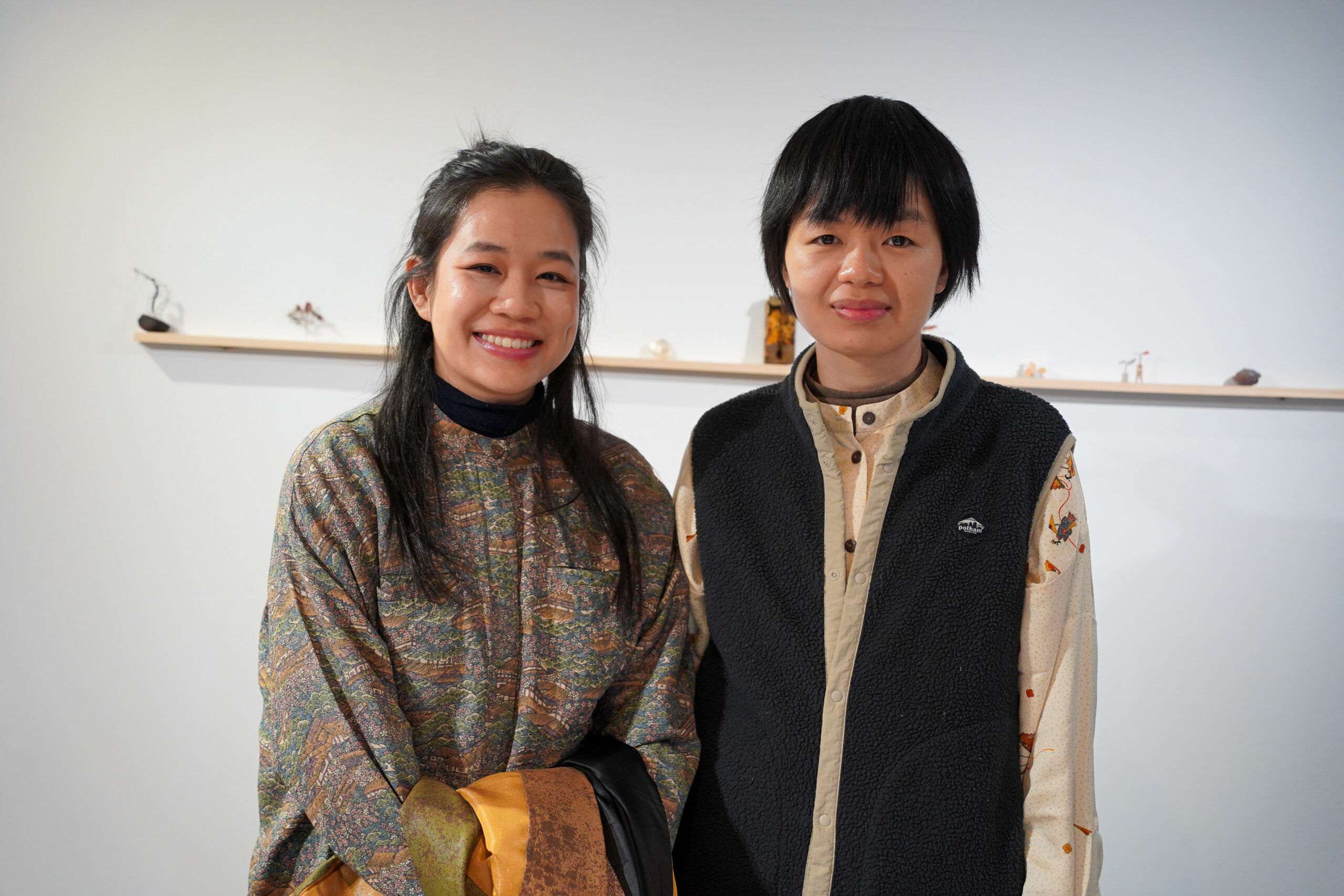
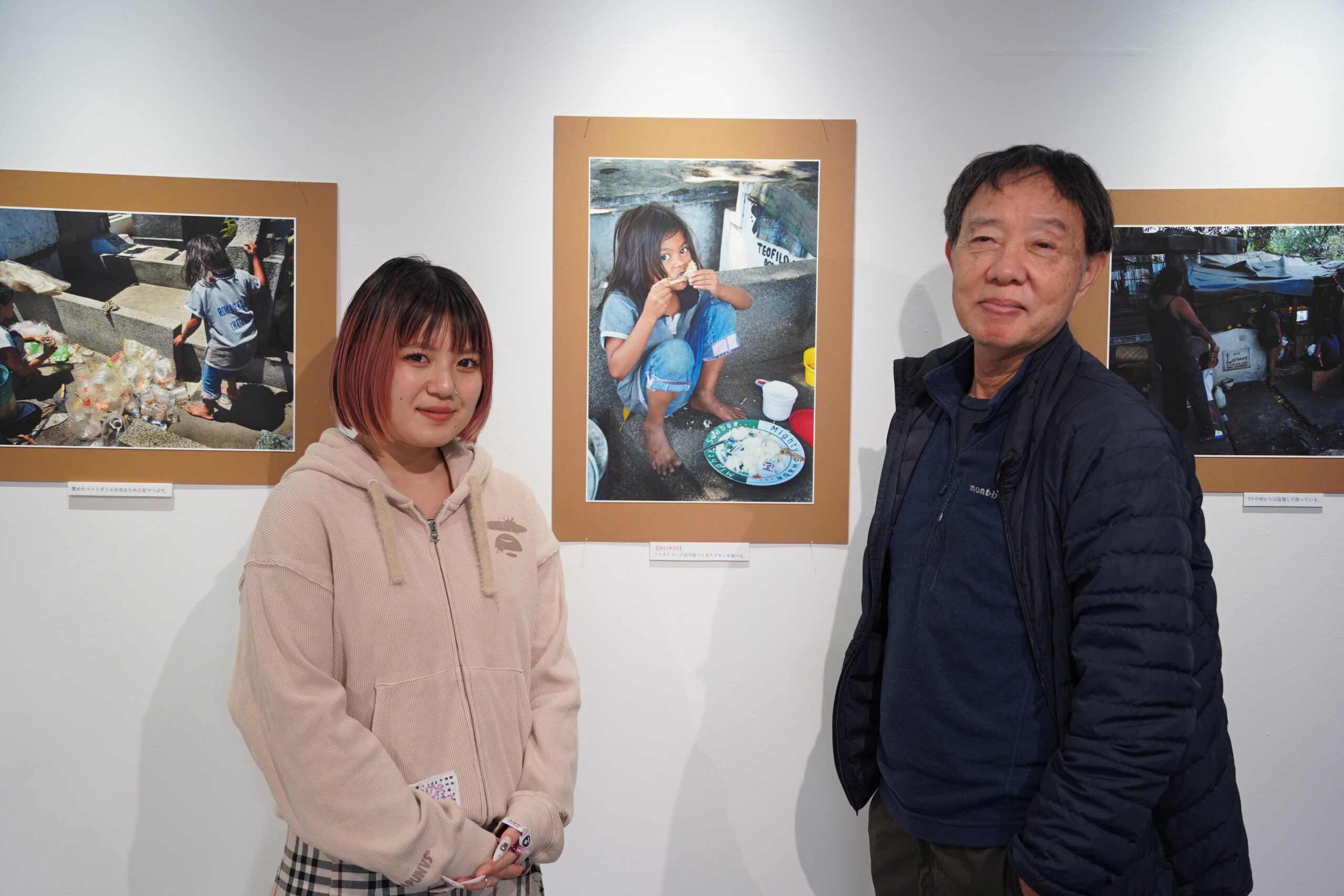
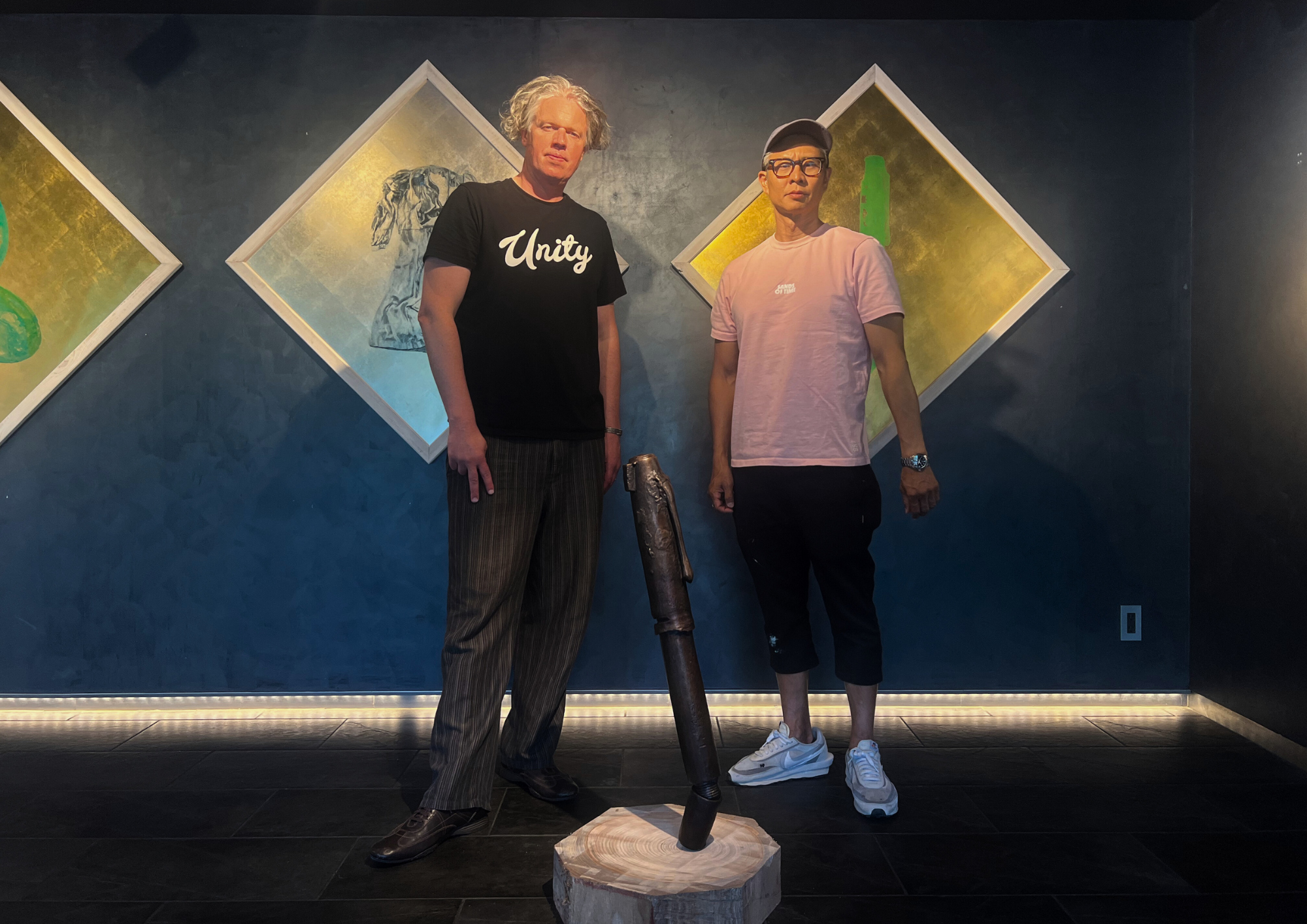
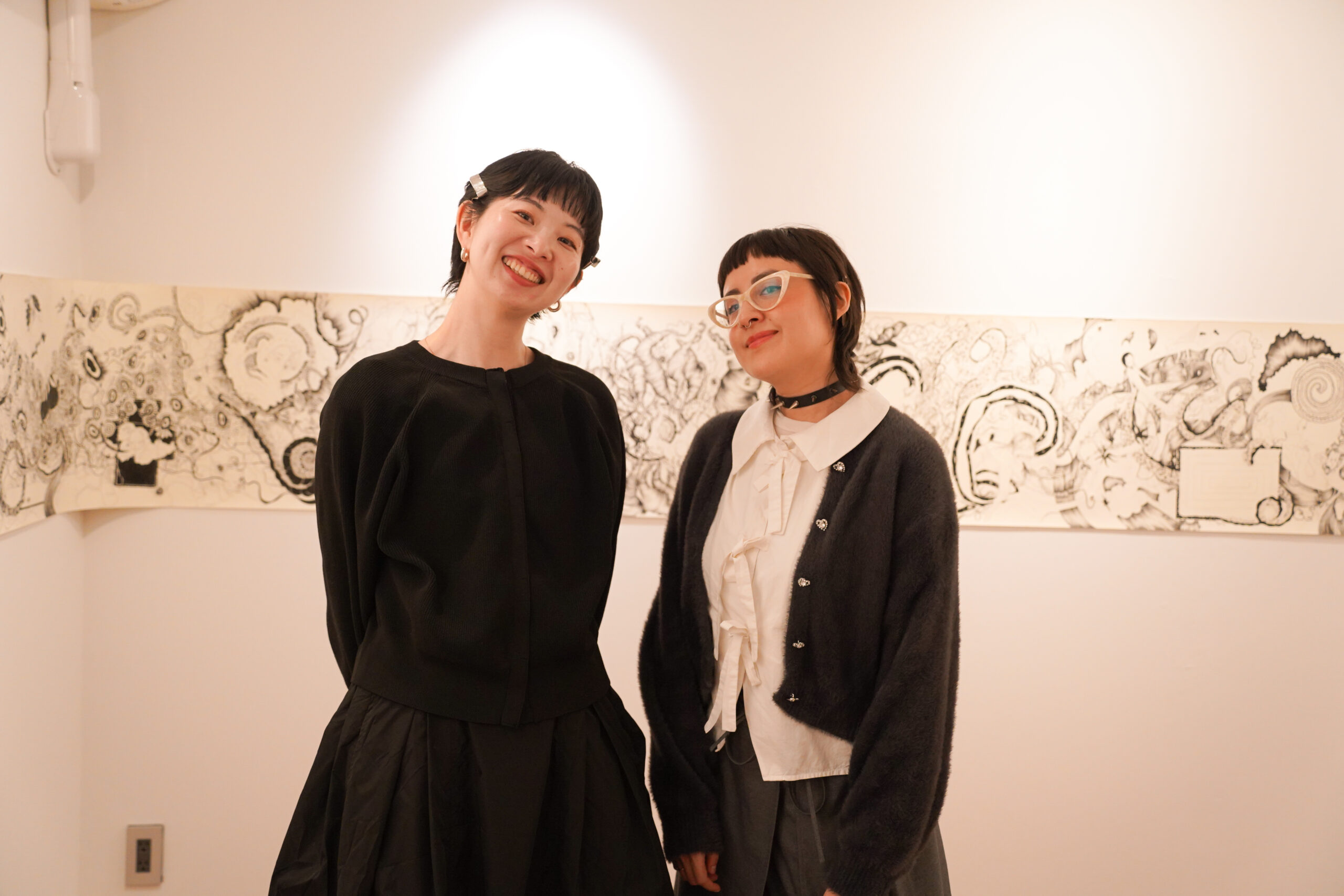
今回は、コートヤードHIROOガロウで、アーティスト・イン・レジデンスでの公開制作及び成果展を行っている池田杏莉さんとネルソン・ホーさんにインタビューをしました。
今回の展示に至った経緯や、能登でのリサーチについてお聞きしました。
アーティスト:池田杏莉へのインタビュー
■「喪失」を共通点に、二人の表現が溶け合うまで
When two artists collide but united by the common thread of loss
Q:今回の展示のテーマや、ネルソンさんと共に制作することになった経緯を教えてください。
Could you tell us about the theme of this exhibition and how you came to collaborate with Nelson Hor?
A: ネルソンと出会ったのは2年前、僕の東京藝大の修了展でした。当時、僕も彼も「家族」をテーマに作品を作っていて。僕は「家族を失うこと」、ネルソンは「家族との関係性」について。その時に意気投合して「一緒に展示しようよ」という話になり、僕からこの場所(コートヤードHIROO)を提案して今回に繋がりました。
共通のキーワードは、幼少期からお互いが感じてきた「喪失」です。当初は自分自身の遺族や家族の歴史を深掘りしようと考えていたのですが、たまたま僕が今、能登半島の輪島市に活動拠点を置いていたこともあり、二人で能登へリサーチに行くことにしました。
I met Nelson two years ago at my Tokyo University of the Arts graduation exhibition. At the time, both of us were creating work centered on the theme of family. I was exploring the loss of family, while Nelson was examining his relationship with his family. We hit it off immediately and decided, “We should collaborate!” I suggested this venue (Courtyard HIROO), which led to this exhibition.
I noticed our shared keyword is the “loss” we’ve both felt since childhood. Initially, we planned to dig deeper into our own bereaved families and family histories. However, coincidentally, I currently have my base of practicing in Wajima City on the Noto Peninsula, so we decided to go to Noto together for research.

Q:お二人のやり取りを見ていると、穏やかながらも互いの個性が尊重されているのを感じます。
Watching the two of you interact, I sense a calmness where each other’s individuality is respected.
A: 落としどころというか、お互いに見ている場所が近いんだと思います。僕の作品は、例えば黒い皮膚を鑑賞者が踏んで粉々になっていくような、強い喪失感を感じさせるもの。対してネルソンが描くものも、決して「可愛い」だけではない寂しさやバイオレンスさを含んでいます。 アプローチは違えど、その根底にある「喪失感の中にある温かさ」という部分で、二人がリンクしたんだと感じています。
I think we’re both looking at similar things, finding common ground. My work evokes a strong sense of loss, like when viewers step on the black segments, crushing it into nothingness. On the other hand, Nelson’s paintings, too, contain loneliness and strength that go far beyond mere “cuteness.” Though our approaches might differ, I feel we connected through that underlying warmth within the loss.
■能登のリサーチで直面した「絶望と希望の対比」
The Contrast of Despair and Hope Faced During Research in Noto
Q:2025年8月に二人で能登へ行かれたそうですね。現地での経験は作品にどう反映されましたか?
I’ve heard you two visited Noto in August 2025. How did your experiences there influence your work?
A: 二人で車に乗って、往復24時間くらいずっと話をしながら移動しました。輪島の朝市跡や、仮設の露店で働くおばあちゃんたちに聞き取りをして周って。 僕は昔から「絶望とどう対峙し、その先に何を見出すか」という過程を作品にしてきましたが、ネルソンはさらにその先の「希望」を見ている作家なんだと、今回改めて気づかされました。
能登の人たちは、目の前で家も家族も失っている。でも彼らは「震災で能登を知ってもらえたからこそ、これは挑戦なんだ」と、前向きに先を見据えていたんです。その強さに触れ、彼らの姿を作品にしたいと強く思いました。
We drove together, talking nonstop for about 24 hours round trip. In this trip, we visited the Wajima’s morning market and interviewed some local old ladies working in temporary stores. Until now, I’ve long explored in my work the process of confronting despair and what lies beyond it, but this trip, Nelson made me realize things in a different perspective, he is an artist who sees even further ahead, something like, to hope.
The people of Noto have lost their homes and families right before their eyes. Yet they look forward with determination, saying, “Because the disaster made Noto known, now this is our opportunity.” Witnessing that strength made me strongly want to capture their spirit in my work.

Q:池田さん自身、今回は「絵画」という新しい表現にも挑戦されていますね。
It seems like you are also challenging yourself with a new form of expression this time, such as painting.
A: 普段は彫刻がメインですが、ネルソンとのレジデンスを通して感覚をシェアしようと絵を描きました。でも、ただ絵の具を塗るのとは違う、僕なりの方法を探しました。 そこで辿り着いたのが「傷」というモチーフです。僕自身、手術などで自分の体の一部を失った経験があり、治っても元の体には戻らない「手術痕(傷)」が人生において大きな意味を持っています。
今回の作品は、表面を白く塗った上から、針を使って「傷」をつけて描いています。能登の灰色の世界、塩でやられて灰色になった木材……。そんな風景を、白い絵の具を引っ掻いて表現しました。
While sculpture is my main practice, I painted during my residency with Nelson to share our sensibilities. But I sought my own approach, distinct from simply applying paint. That led me to the motif of scars. Having personally lost parts of my body through surgery, the surgical scars that remain even after healing hold profound meaning in my life.
For this work, I painted the surface white and then used a skewer to create “scars” and draw. Through the gray world of Noto, wood grayed by salt, I want to express such landscapes by scratching away the white paint.

■灰色の世界でポーズをとる子どもたち
Children Posing in a Gray World
Q:その「傷」で描かれた絵の中に、4人の子供たちが描かれているのが印象的です。
I think the painting created with the “wound” features four children is quite moving.
A: 街が傷だらけで大人がしょんぼりしている中でも、子供たちは隆起した海底の岩場でかくれんぼをして遊んでいるんです。カメラを向けたら、パッとこっちを向いてポーズを決めてくれた。その強さに衝撃を受けました。 「灰色の土の中に花を」という今回の展覧会のイメージ通り、傷だらけの世界の中に希望を見出しているのは、この子供たちなんだと感じました。
Even as the town lay scarred and adults felt defeated, children were playing hide-and-seek among the rocky outcrops of the raised seabed. When I pointed my camera at them, they instantly turned toward me and struck a pose. Their resilience struck me deeply. Just as the theme of this exhibition, the tenderness of flowers, suggests, I felt it was like these children who are creating hope within a scarred world.
■記憶を永らえさせる「バトンパス」としての表現
An Expression Serving as a “Baton Pass” to Preserve Memories
Q:最後に、今後の展望を教えてください。
Finally, please tell us about your future outlook.
A: 作家活動に本腰を入れていきたいです。僕の制作の原動力は「自分の喪失の記憶」ですが、実はいまだに自分自身、その記憶とどう対峙すればいいか分かっていない部分があります。だからこそ、色々な人と関わり、今回のようにネルソンと希望について考えることで、その正体を探求し続けたい。
これからは、失われていくであろう町の光景や人々の記憶を作品化し、それが誰かの手に渡ることで、記憶が永らえ続けていく……。そんな「記憶のリレー」や「バトンパス」のような活動をしながら、喪失をどう希望に繋げていくか、死ぬまで考えていきたいと思っています。
I want to fully commit to my work as an artist. The driving force behind my creations is the memories regarding my own loss, but honestly, I still don’t fully understand how to confront those memories yet. That’s precisely why I want to keep exploring their true nature by connecting with various people and, like this time with Nelson, I get to see hope in loss.
Moving forward, I want to transform the fading sights of towns and people’s memories into artworks. When these works find their way into someone’s hands, those memories will endure… Through activities like a “memory relay” or “passing the baton,” I intend to keep thinking until my dying day about how to connect loss to hope, or something more.


アーティスト:ネルソン・ホーへのインタビュー
■一人の限界を超え、他者の視点を取り入れる
Transcend Individual Limitations and Embrace Others’ Perspectives
Q: 今回の展示経緯を教えてください。
Please tell me the background of this exhibition.
A: 他のアーティストと一緒に企画するのは今回で2回目です。一人で個展を続けていると、どうしても自分のコンセプトを突き詰めすぎて視野が狭くなりがちで、精神的に疲れてしまう部分もありました。 そこで、好きな作家さんに声をかけ、相手の作品を違う視点で見たり、コンセプトを捉え直したりすることで、新しいものが生まれるんじゃないかと考えたんです。また、アーティスト同士が刺激し合えるコミュニティを作りたいという思いもありました。
This is the second time I’ve collaborated with other artists. I have been having quite some solo exhibitions in the past few years, I inevitably pushed my own concepts too far, narrowing my perspective and becoming mentally exhausted. So I thought, by reaching out to artists I admire, seeing their work from a different angle, and re-examining their concepts, something new might emerge. I also wanted to create a community where artists could inspire each other.
Q: パートナーに池田杏莉さんを選ばれた理由は?
Why did you choose Anri Ikeda as your partner?
A: 僕は社会問題や内面的なテーマを扱うことが多いので、同じように内面性にフォーカスしている作家さんとは相性がいい。今回はこのレジデンス期間を使い、「地震」や「身体の喪失」、そしてそれに伴う「記憶」を共通テーマに据えました。ただ作品を並べるだけでなく、お互いに「これはやりたい、これは違う」と徹底的に話し合い、調和した空間を目指しました。
I often tackle social issues and emotional themes, so I naturally connect well with artists who similarly focus on their inner worlds. This time, we wanted to use the residency period to establish shared themes of earthquakes and the loss of one’s body, while exploring the theme of memory. Therefore, rather than simply displaying our works side by side, we thoroughly discussed what each of us wanted to do and what didn’t resonate, aiming for a harmonious space.

■能登のリサーチで出会った、重たい「喪失」と明るい「希望」
The Heavy Loss and Bright Hope Encountered During Research in Noto
Q: 今回のテーマである「地震」について、制作の過程で変化はありましたか?
Regarding the theme of earthquakes for this project, did any changes occur during the production process?
A: 出身地のマレーシアにはほぼ大きい地震がなく、正直、これまでは震災のニュースを見ても、悲しみを「わかる」とは言えても、心の底から共感できていたわけではありませんでした。でも、池田君と「経験がないからといって軽く作るわけにはいかない」と話し、能登半島へリサーチに行きました。 実際の現場は想像以上に重たく、喪失の感情が強烈でした。でも一方で、現地のおばあちゃんたちは驚くほど元気で楽観的だったんです。「新しいことができるんじゃないか」と前向きに話す彼女たちの笑顔を見て、喪失のプロセスの先には「希望」が必要だと確信しました。
Malaysia, where I come from, barely has any big earthquakes, and honestly, until now, even when I saw news of disasters, it is hard for me to say I truly understood the pain or I could fully empathize from the bottom of my heart. But after talking with Ikeda about how “just because we haven’t experienced it doesn’t mean we could treat it lightly,” I decided to go to the Noto Peninsula for research with him. The actual scene was more severe than I imagined and the feelings of loss were incomprehensibly. Yet at the same time, almost all the locals we have met were astonishingly resilient and optimistic. Seeing their smiles as they spoke positively about how they could use this as an opportunity to create something new, I became convinced that beyond the process of loss, “hope” is essential.
Q: その「希望」は、展示構成にも反映されているのでしょうか。
Is that “hope” reflected in the curation of this exhibition as well?
A: はい。入り口付近は光を弱くして「喪失」を、そこから上の階に上がったとき、自然光を「光の希望」として感じてもらえるように設計しています。また、現地で拾った岩や土、流木や砂をイメージにした作品に取り入れ、現地とのコネクションを持たせました。 仏教の「九相図(死体が朽ちて土に還るまでの9枚の絵)」をモチーフにしたシリーズも制作しましたが、元の図が「死」で終わっているのに対し、僕はそこに「修復」という希望を込めた3枚を追加し、全12枚の物語として再構成しています。
Definitely. Near the entrance, we dimmed the lighting to evoke a sense of “loss.” Then, as visitors climb to the upper floors, natural light is designed to be perceived as a “ray of hope.” I also turned rocks and soil from the earthquake sites into pigments, while using the scenery of driftwood and sand as the motifs of our artwork to build a connection with the site. I also created a series inspired by Buddhism’s “Nine Phases of Decay” (nine paintings depicting a corpse’s decay and returning to earth). While the original series ends with death, I added three more pieces, representing the hope of restoration, reconfiguring it into a complete 12-part narrative.

■「脳の筋トレ」と、自分を救うための表現
Brain Exercising and Creating to Save One
Q: これまでは「赤」が象徴的でしたが、新作では「青」にも挑戦されていきたいですね。
Until now, “red” has always been symbolic in your artwork, but you have been planning to create something with blue, haven’t you?
A: 今回の展示で使用した「赤と黒」、あるいは「赤と青」。その組み合わせを見た瞬間に「赤はネルソンの作品だ」と認識してもらえるようなシグネチャーカラーは大切にしたいです。ただ、今年は「実家」をテーマにしたくて。僕の中でのマレーシアの実家の色は「青」なんです。 新しいシリーズを考えるのは「脳の筋トレ」のようなもので、大変ですが一番面白い時間ですね。
The contrast in colours that we used in this exhibition, like red and black, or red and blue. I want to cherish that signature color combination, one that makes people recognize “the red ones belong to Nelson!” the moment they see it. But this year, I wanted to focus on the theme of home. For me, the color of my hometown in Malaysia has always been blue. Thinking up a new series is like “brain training”, although it is tough, I find this sort of exercise is quite enjoyable.
Q: ネルソンさんにとって、創作の源泉はどこにあるのでしょうか。
Where do you find the source of your creativity?
A: 自分の記憶や経験です。それが一番嘘がないから。以前読んだ本に「世界を救うためには、まず自分自身が救われる作品を作るべきだ」という言葉がありました。 自分が救われた瞬間、その作品は説明しなくても他者の心に届き、共感を生んでいく。飛行機の酸素マスクと同じで、まずは自分を救うことが大切なんです。僕の作品を見て、誰かが救われたと思ってくれたら嬉しいですね。
They are mostly based on my own memories and experiences. Because they’re the truest to me. I once read in a book: “For artist to save the world, he must first create art that saves his world.” The art that saved you while creating will eventually reach others’ hearts without explanation and sparks empathy. It’s like putting oxygen masks on airplanes, you have to save yourself before helping others. It would be the greatest gift if someone felt heard or seen after seeing my work.

■東京に「仲間がいれば作れる」雰囲気を
Trying to Create an Environment That Says, “It Takes a Village to Make Things Happen” in Tokyo.
Q: 最後に、これからの目標を教えてください。
Finally, please tell us about your future goals.
A: テート・モダンやMETのような、国際的な美術館で展示できる作家になりたいです。それと同時に、東京に「ヤング・ブリティッシュ・アーティスト(YBA)」のような、若手同士が盛り上げ合い、仲間がいれば作り続けられるという雰囲気を作りたい。 今は不安定な世の中だからこそ、人間は本能的に繋がりを求めています。コミュニティの中で互いを高め合える環境を作っていくことが、今の日本に必要ではないかと感じています。
I aspire to become an artist whose work can be exhibited at international museums like Tate Modern and the MET. At the same time, I want to create an energetic environment in Tokyo similar to the Young British Artists (YBA) movement, where young artists can hype up each other and continue creating because they have like-minded peers around. Especially in a time like how unstable the world is right now, people tend to instinctively seek for connections. I feel that creating an environment or a community where we can elevate each other is what Japan needs the most right now.

Interviewer : Satoko Kubota