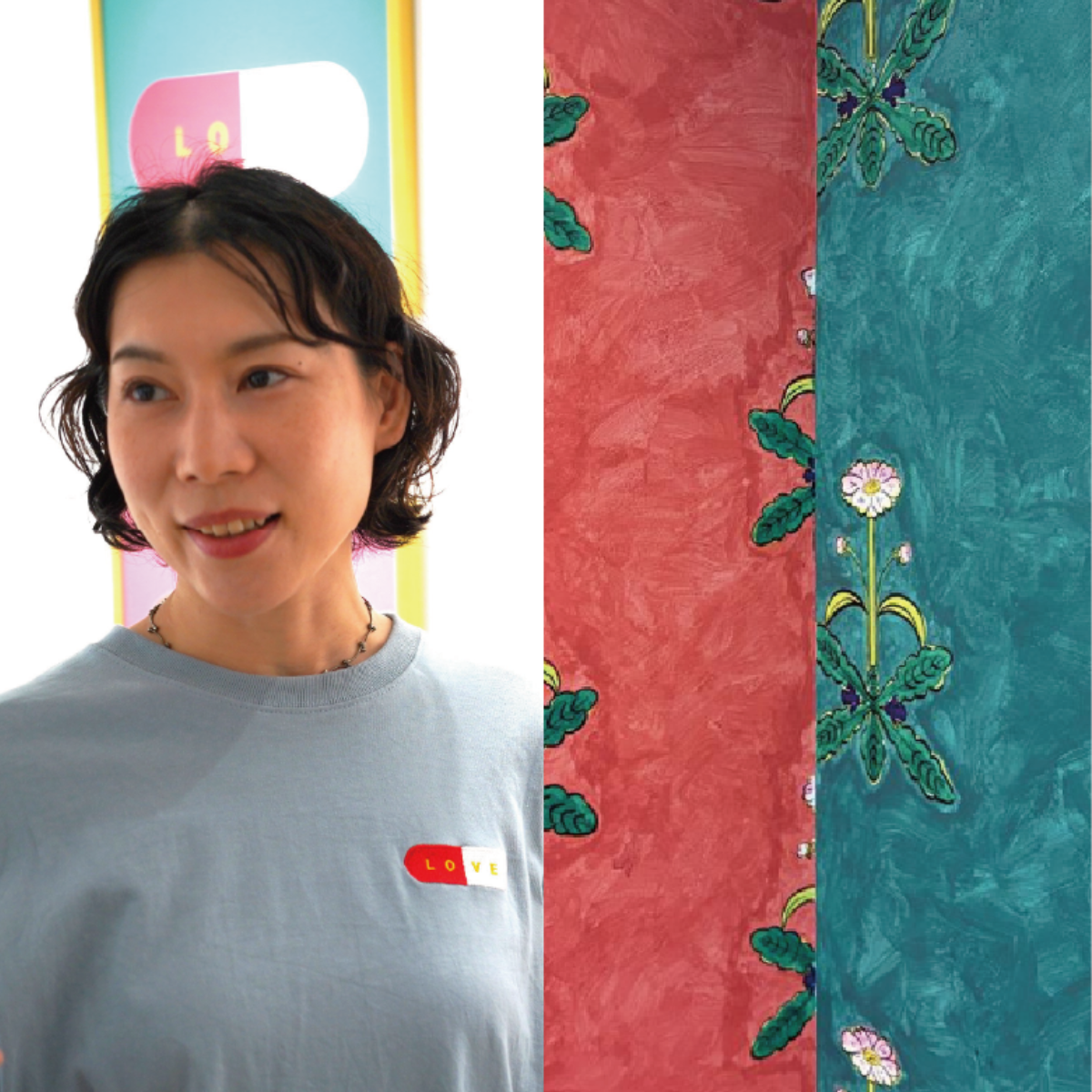
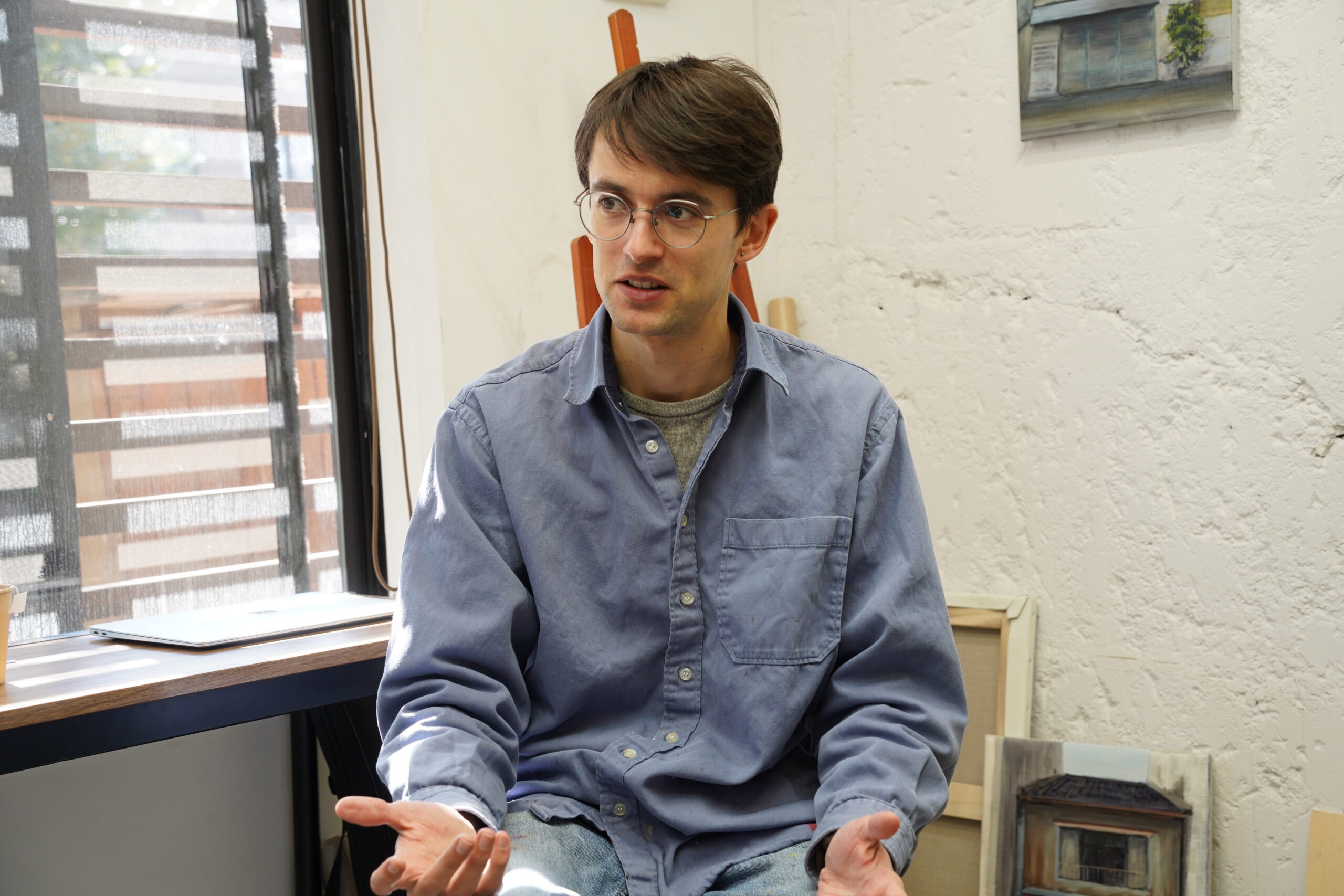
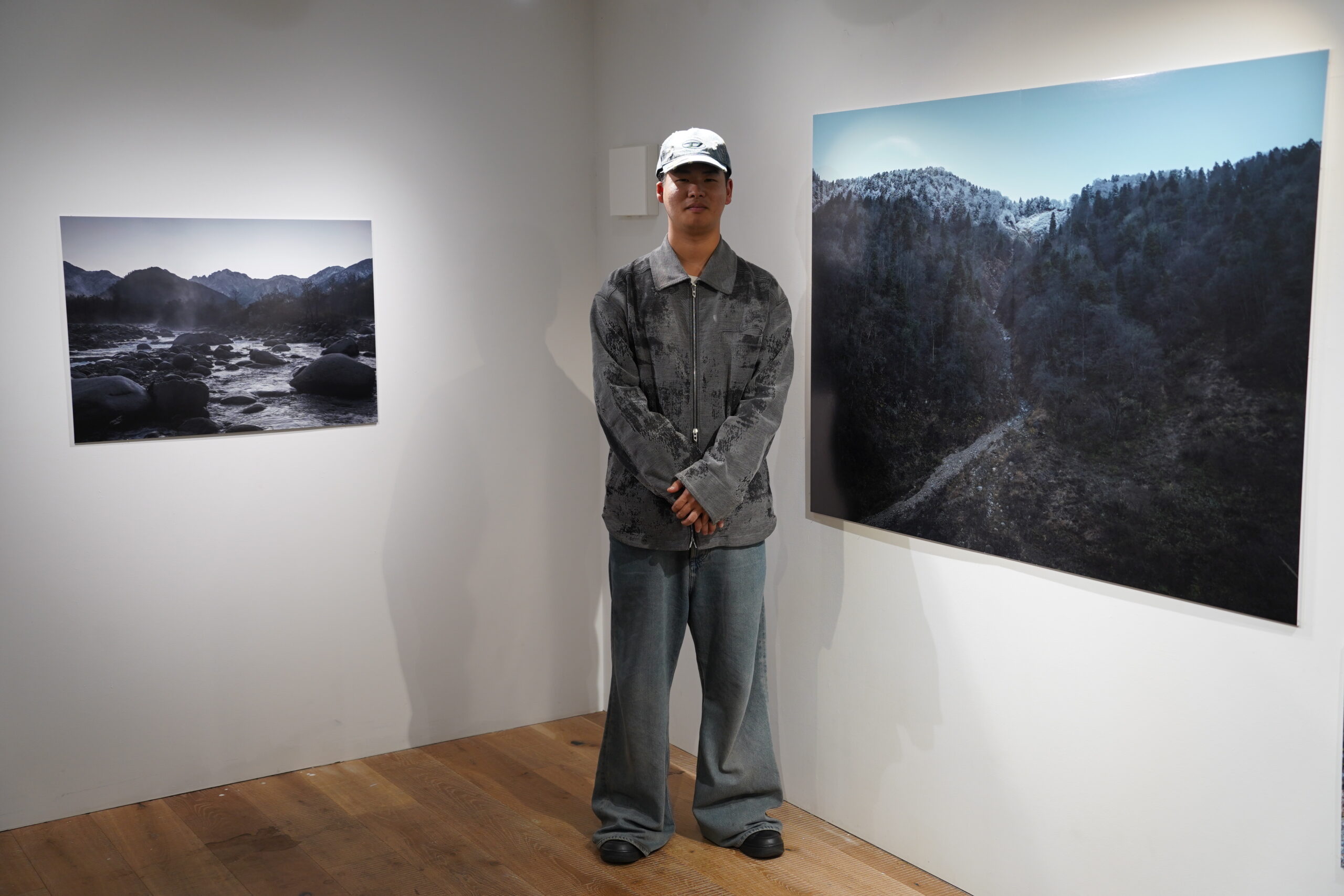
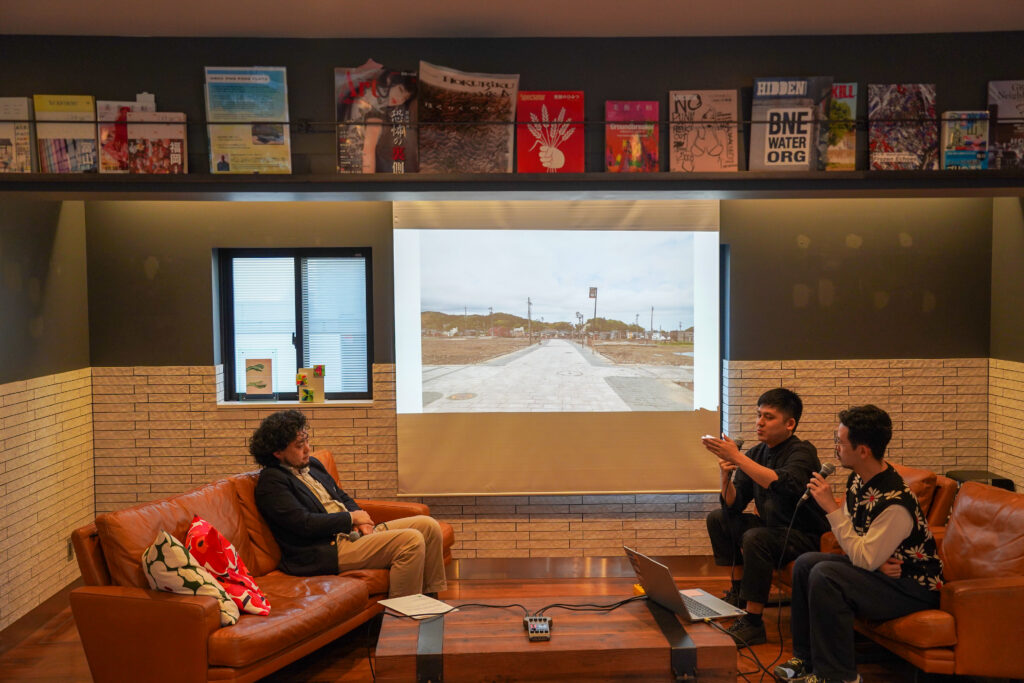
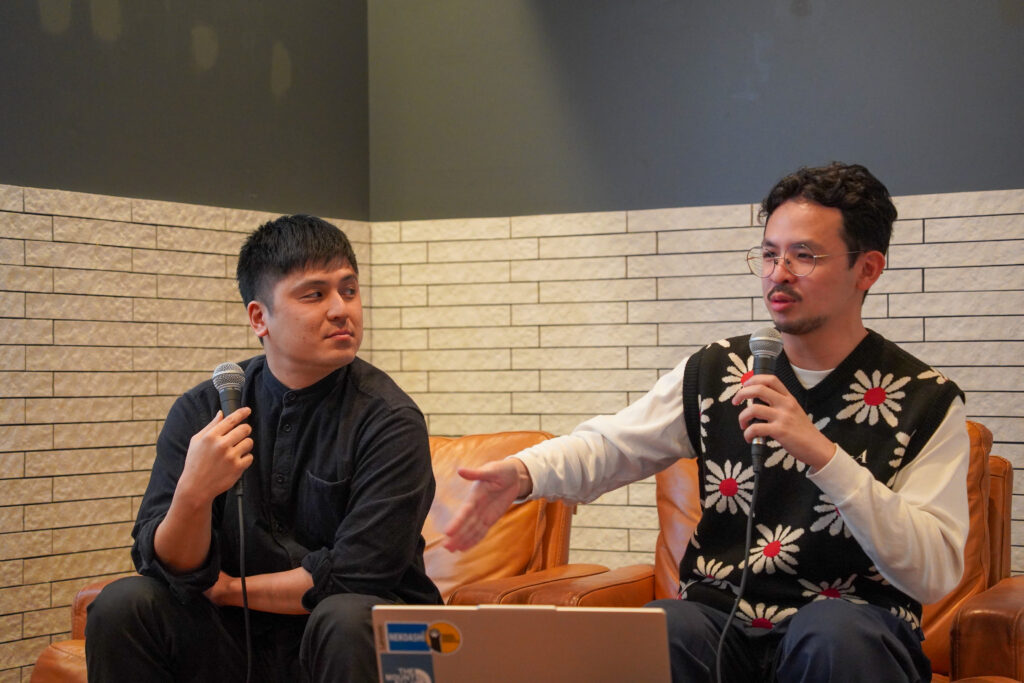
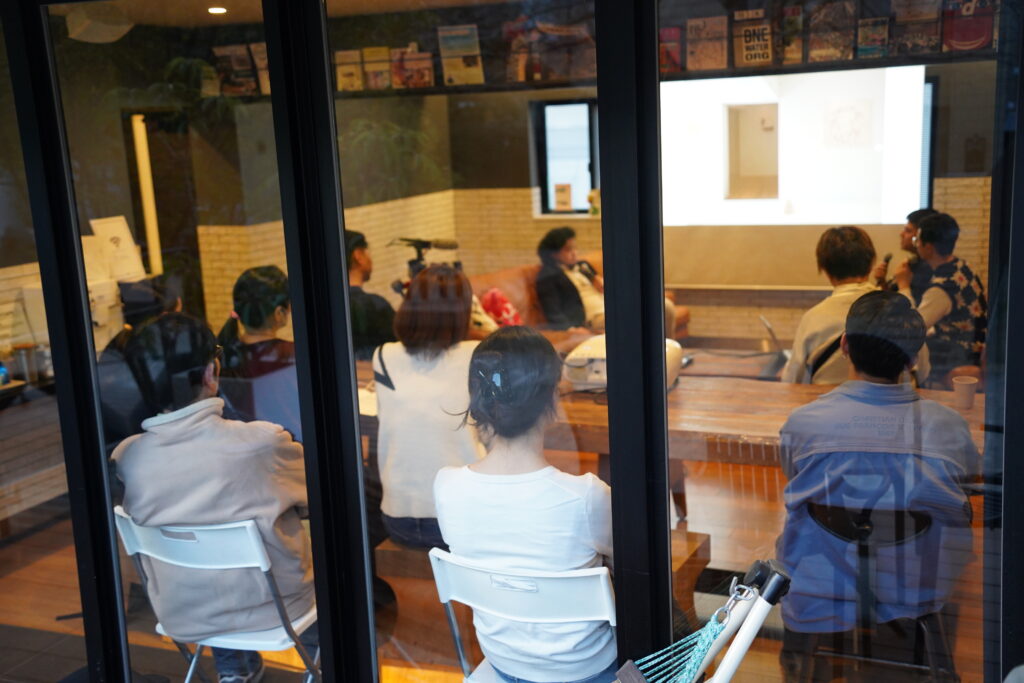
コートヤードHIROOで開催された池田杏莉さんとネルソン・ホーさんによる二人展『手にした灰色の土に、花を』。その最終日となる3月14日、出品作家の両名とキュレーターの丹原健翔さんによるトークイベントを開催いたしました。
2人の出会いや展示に至るまでの経緯、展示に込めた思いや能登半島をテーマとした展示をするにあたり、復興をアートとしてアプローチすることの価値観について濃密な対話が行われました。
トークイベントの収録音源はPodcastにて配信をしています。是非こちらもご視聴ください。
A two-person exhibition titled “The Weight of Earth and The Tenderness of Flowers” by Anri Ikeda and Nelson Ho was held at Courtyard HIROO. On March 14, the exhibition’s final day, we hosted a talk event featuring both artists and curator Kento Tambara.
The discussion covered a wide range of topics, including how the two artists met, the journey leading up to the exhibition, the thoughts they poured into the works, and their perspectives on approaching reconstruction through art—particularly in the context of an exhibition themed around the Noto Peninsula.
The recording of the talk event is available on our podcast. We invite you to listen to it.
二人の出会いと2年越しの約束
丹原: 皆さん、ありがとうございます。今日は最終日ということで、あえて僕も「今日初めて会場を見た」という新鮮な視点から、お二人のリサーチの背景や作品に込めた想いを掘り下げていければと思います。まずは、お二人が一緒に展示をやることになったきっかけを教えてください。
Tambara: Thank you all. Since today is the final day, I’d like to explore the background of your research and the thoughts you’ve poured into your works from a fresh perspective—one of someone who is seeing the venue for the first time today. First, could you tell us what led you two to decide to hold this joint exhibition?
ネルソン: 最初は僕が声をかけたんですよ。2、3年前に池田くんの卒業制作を見に行って「このアーティスト、面白い!」って感動して。僕は日本で好きなアーティストとコミュニティを作りたいと思っていたので、彼と一緒にやりたいなって。
Nelson: I was the one who reached out to him first. A couple of years ago, I went to see Ikeda-kun’s graduation project and was really impressed—I thought, “This artist is fascinating!” Since I’d been wanting to build a community with artists I admire in Japan, I thought I’d like to work with him.
池田: 実は僕、ネルソンさんのことは4年以上前から知っていたんです。フランス留学中にインスタで見つけて、封筒に絵を描く作品がすごく刺さって。「いつか会いたい」と思っていたら、まさかの自分の卒展に本人が現れて(笑)。
Ikeda: Actually, I’ve known about Nelson for over four years now. I found him on Instagram while I was studying in France, and his artwork—drawings on envelopes—really spoke to me. I was thinking, “I’d love to meet him someday,” and then, out of the blue, he actually showed up at my graduation exhibition.
丹原: まさかの相思相愛(笑)。そこから2年越しで、場所や相性をじっくり話し合って実現したんですね。
Tambara: So, it turns out you two were actually in love with each other all along (laughs). It took two years, but after carefully discussing the location and whether it was the right fit, you finally made it happen.

能登・輪島のリサーチ 瓦礫の中に見つけた「生」
丹原: 池田くんは、もう2年前から能登の輪島に拠点を置いて制作しているんですよね。
Tambara: Ikeda, you’ve been based in Wajima, Noto, for the past two years, haven’t you?
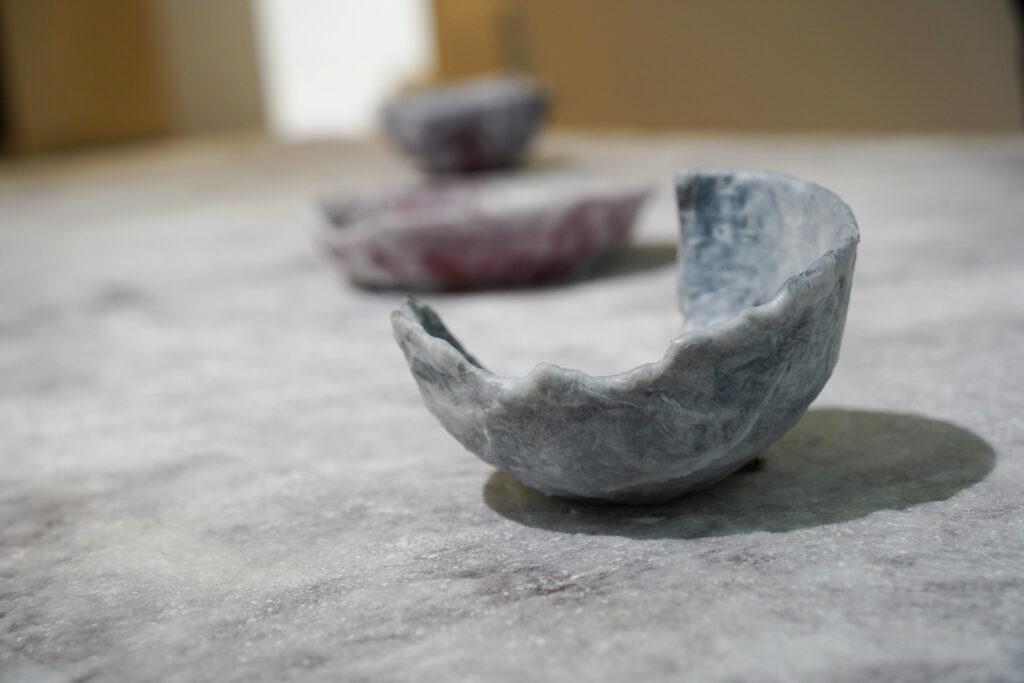
池田: はい。最初はボランティアで行ったんですけど、それだけじゃ解決しない世界があるなと気づいて。今は空き家を借りて制作しています。今回の展示では、津波で流された建材や、海岸の瓦礫、ボロボロになった家の畳なんかを材料に使っています。
Ikeda: Yes. I started out as a volunteer, but I realized there are issues that can’t be solved by volunteering alone. Now I rent a vacant house to work in. For this exhibition, I’m using materials like building materials washed away by the tsunami, debris from the coast, and tattered tatami mats from destroyed homes.
ネルソン: 池田くんから能登の話を聞いて、やっぱり一緒に行くことが必要だと思ったんです。二人で車を往復24時間走らせて(笑)。1週間くらい滞在してリサーチしました。
Nelson: After hearing about Noto from Ikeda, I realized we really needed to go there together. The two of us drove back and forth for 24 hours (laughs). We stayed there for about a week to do some research.
丹原: ネルソンさんは、マレーシア出身という「外の視点」から被災地を見て、何を感じました?
Tambara: Nelson, as someone from Malaysia—someone with an “outsider’s perspective”—what did you feel when you saw the disaster-stricken area?
ネルソン: 最初は正直、地震という重いテーマを扱うことに自信がなかったんです。でも実際に行ってみると、おじいちゃんもおばあちゃんも、子供たちもみんなすごく元気で。「東京で展示するなら、私たちの笑顔や元気な姿を見せてね」って言われて。喪失だけじゃない、現地の今の思いを届けなきゃいけないと強く感じました。
Nelson: To be honest, at first I wasn’t confident about tackling such a heavy topic as the earthquake. But when I actually went there, I found that the elderly, the children—everyone was full of energy. They told me, “If you’re going to exhibit this in Tokyo, please show our smiles and our vitality.” I felt strongly that I had to convey not just the sense of loss, but also the current feelings of the people there.
丹原: 展示からは「喪失」の先にある「再生」を感じます。でも、そこに至るまでには二人の間で激しい議論もあったとか。
Tambara: From the exhibition, I sense “regeneration” beyond “loss.” But I hear there were some heated debates between the two of you before you reached that point.
ネルソン: 途中、考えの対立はありましたね。僕は、地割れした道路から草が生えていたり、おばあちゃんたちが笑っているのを見て「これは希望だ」って言ったんです。でも池田くんは「希望? なんで? 喪失はただ醜くて痛みしかないよ」って。
Nelson: We did have some disagreements along the way. When I saw grass growing out of the cracks in the road and old ladies laughing, I said, “This is hope.” But Ikeda-kun replied, “Hope? Why? Loss is just ugly and painful.”
池田: 僕は現地にどっぷり浸かっていたから、まだ「希望」という言葉を扱うのは早すぎるし、危うい時期だと思って自分をセーブしていたんです。でも、ネルソンと回る中で、朝市の人たちが「震災で知ってもらえたからこそ、これはチャンスなんだ」って前向きに捉えている姿を改めて見て、ハッとさせられた。彼が僕の殻を破ってくれたというか、一緒に成長させてもらった気がします。
Ikeda: Since I was so deeply immersed in the local community, I felt it was still too early to use the word “hope”—and that it was a risky time—so I held back. But as I traveled around with Nelson, seeing the people at the morning market take a positive view of the situation—saying, “It’s precisely because people learned about us through the earthquake that this is an opportunity”—really struck a chord with me. I feel like Nelson helped me break out of my shell, or rather, that we grew together.
アートが果たす「通訳」と「バトン」の役割
丹原: 『手にした灰色の土に花を』。このタイトルに込められた想いを詳しく聞かせてください。
Tambara: “The Weight of Earth and The Tenderness of Flowers”, Could you tell me more about the meaning behind this title?
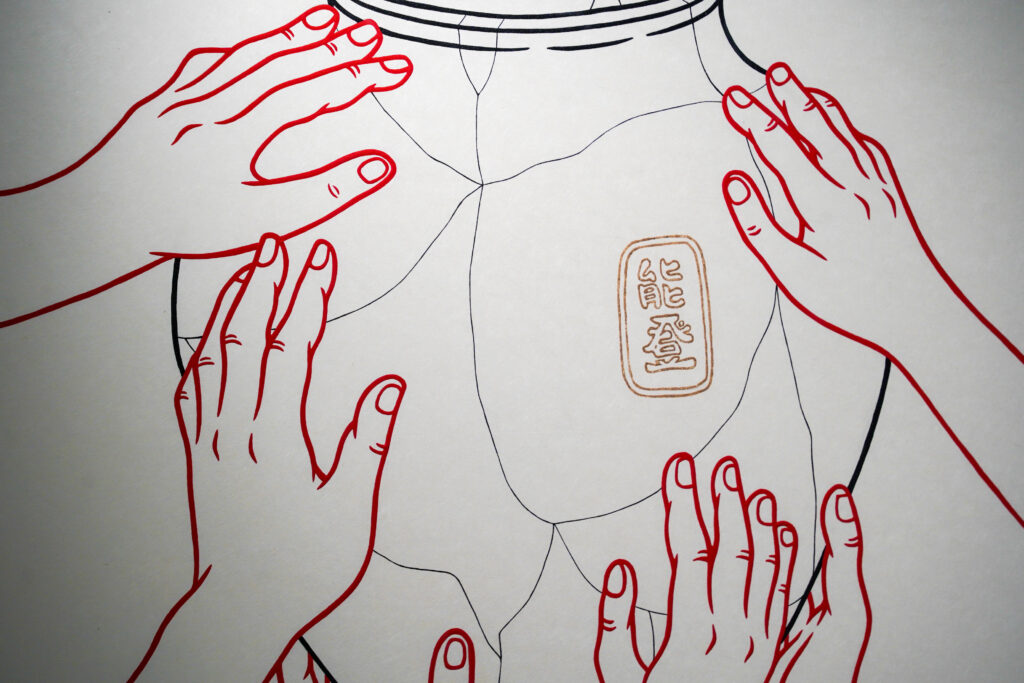
ネルソン: 能登に行った時、花瓶に「花は咲く」って言葉が書いてあるのを見たんです。英語に訳すと失われてしまう、日本語特有の抽象的で美しい希望だなと思って。そのイメージを池田くんに相談しました。
Nelson: When I visited Noto, I saw a vase with the words “Flowers will bloom” written on it. I thought it captured a kind of abstract, beautiful hope unique to the Japanese language—something that gets lost in translation into English. I discussed that image with Ikeda.
池田: 能登は雪国で、空も地面もどこか「灰色」なんです。そこに被災した景色が重なって、僕には世界が灰色に見えていた。ネルソンと話した「その土の中に、花を添えたい」という祈りを、この日本語に落とし込みました。
Ikeda: Ikeda: Noto is a snowy region, and both the sky and the ground have a somewhat “gray” hue. With the devastated landscape superimposed on that, the world looked gray to me. We incorporated the prayer Nelson and I shared—“We want to plant flowers in that soil”—into the title of this exhibition.
「個の物語」から「マクロな視点」へ
丹原: 今回、二人のこれまでの制作を知っている身として面白いなと思ったのは、それぞれ「個人の内面」や「パーソナルな物語」を深く掘り下げるスタイルだったものが、この二人展を経て、より社会や外に向けた「マクロな視点」に変わった気がすること。これは意図的なものだったんですか?
Tambara: As someone familiar with both of your past work, what I found interesting this time is that while your styles used to focus deeply on “inner worlds” and “personal narratives,” I feel that through this two-person exhibition, you’ve shifted toward a more “macro perspective” that looks outward toward society. Was this intentional?
ネルソン: 正直に言うと、社会を変えようという大きな話ではないんです。ただ、アーティストが世界を変えたいなら、まずは「自分の世界」を変えること。僕らは自分の中の経験や記憶を消化したくて作っていて、その過程で生まれた共感が、結果として観客や社会に繋がっていったんだと思う。
Nelson: To be honest, it’s not about some grand scheme to change society. It’s just that if an artist wants to change the world, they have to start by changing their own world. We create art because we want to process our own experiences and memories, and I think the empathy that arises from that process naturally connects with our audience and society.
池田: 出発点は二人とも似ていて、僕の場合は幼少期や去年の手術で「身体の一部を失う」という経験がベースにあります。「喪失し続けて、最後には何が残るのか」という個人的な問いですね。でも、アートは作っておしまいじゃなく、他者とのコミュニケーションで築き上げるもの。二人でやることで、その個人的な感覚が自然と社会に繋がっていった気がします。
Ikeda: Our starting points are similar. In my case, my work is rooted in the experience of “losing a part of my body”—whether from my childhood or the surgery I underwent last year. It stems from a personal question: “If I keep losing things, what will be left in the end?” But art isn’t something you simply create and then set aside; it’s something you build through communication with others. By working together, I feel that those personal sensibilities naturally connected with society.
技法の交換、そして次のステップへ
丹原: 二人は今回、お互いの技法を交換して制作した部分もありますよね。彫刻家が絵を描き、画家が立体に触れる。この「疑似体験」はお互いにどう影響しましたか?
Tambara: In this exhibition, the two of you also created works by exchanging your respective techniques, didn’t you? A sculptor painting, and a painter working with three-dimensional forms. How did this “simulated experience” influence each of you?
ネルソン: 池田くんから型取り(シリコンや石膏)の技法を教わって、そこに絵を描く試みをしました。自分にはなかった「立体的思考」の練習は、脳の筋トレみたいで面白かった。未来のどこかで必ず生かせるメモリーになったと思います。
Nelson: Ikeda-kun taught me how to make molds (using silicone or plaster), and I tried drawing on them. Practicing “spatial thinking”—something I hadn’t done before—was like a workout for my brain, and I found it really interesting. I think it’s become a memory that will definitely come in handy somewhere down the road.
池田: 僕は逆に、今回あえて「色」を使わずに針で線を刻んで影を作る手法をとりました。自分の制作は基本的に「静寂」を大切にしていますが、それを絵(平面)で表せたのは一つの成長かなと。お互いに足りない要素を補完し合って、絶妙なリズムが生まれたと感じています。
Ikeda: On the contrary, I actually created a piece this time using a technique where I carved lines with a needle to create shadows, deliberately avoiding the use of color. While my work generally emphasizes “silence,” I feel that being able to express that through a painting (a two-dimensional work) represents a step forward for me. I feel that by complementing each other’s missing elements, we’ve created a perfect rhythm.
丹原: 搬入して並べてみた瞬間、二人の作品が共鳴して、また違う「言葉」が立ち上がってきたよね。単なる個展が二つあるのとは違う、二人で場を共有したからこそできた丁寧な展示になった。
Tambara: When you set up the exhibition, it felt as though the two artists’ works resonated with one another, giving rise to a whole new “language.” I don’t think this was simply two separate solo exhibitions; rather, I believe it became a carefully curated exhibition precisely because the two of you shared the space.
池田: 次のステップとして考えているのは、作品を販売して終わりにするのではなく、記憶を繋ぐ「バトンリレー」にすること。能登の崩壊した家からいただいた建材を寄木して箱を作り、その中に誰かの持ち物から作った作品を入れる。
Ikeda: What I’m thinking of as the next step is not just selling the pieces and calling it a day, but turning this into a “baton relay” that connects memories. I’ll make a box by inlaying building materials I received from a collapsed house in Noto, and inside that box, I’ll place a piece created from someone’s personal belongings.
丹原: 「記憶を資産価値化させる」というのは面白い視点ですね。
Tambara: “Turning memories into assets” is an interesting perspective.
池田: 家という「存在していた記憶」を、美術という流通に乗せて世界に広げていく。それが、単なる販売以上の「希望」になるんじゃないかと思っています。
Ikeda: I believe that by conveying the “memory of what once existed”—the home—through the medium of art and sharing it with the world, we can create something more than just a sale; we can create “hope.”
丹原: 読み解こうとすれば、背景には重いテーマがたくさんあります。でも、そこに引っかかりすぎず、まずは展示を見て、自分の中に何が残るかを感じてほしい。特に気になった部分を深掘りしたくなるような、次のステップが見える展示になったと思います。このトークを踏まえて会場を回ると、また違うものが感じられるかもしれません。二人の「共鳴」を、ぜひ最後まで楽しんでいってください。本日はありがとうございました。
Tambara: If you try to analyze it, you’ll find many weighty themes underlying the exhibition. But I hope you won’t get too caught up in that; instead, I’d like you to simply view the exhibition and see what resonates with you. I believe we’ve created an exhibition that offers a clear next step—one that makes you want to delve deeper into the parts that particularly caught your attention. With this conversation in mind, you might notice something different as you walk around the venue. Please enjoy the “chemistry” between the two of them right through to the very end. Thank you very much for coming today.